
Where Cutting‑Edge Technology Meets Expert Podiatry
Move forward with confidence. We pair advanced scanning technology with decades of specialist experience to eliminate the guesswork. Get fast, accurate diagnostics and a tailored plan to return to moving comfortably, safely, and quickly.
Precision Biomechanics: Advanced Gait Analysis using 3D & 2D Systems.
"At Gait3D, we don't just look at a 3D image on a screen. We analyse your lower limb across three true clinical dimensions:"
Dimension 1: 3D Structural Geometry (The unique shape of your foot captured via high-precision 3D laser scanning).
Dimension 2: 3D Kinetic Movement (How your joints, impact forces, and pressure vectors sync in real-time using markerless AI tracking).
Dimension 3: 3D Tissue Depth (Peering beneath the skin using diagnostic ultrasound and thermal imaging to see live inflammation and tissue structure).
Why Technology Matters
Clinical intuition identifies symptoms; advanced technology identifies causes. By utilising high-speed digital sensors, we capture microscopic biomechanical flaws that the human eye cannot see. This precise data allows us to engineer highly accurate, custom orthotics and targeted treatment plans—accelerating your recovery and elevating your performance. Furthermore, this precise data also guides other treatments—including injection therapies, shockwave, and regenerative medicine—ensuring every part of your recovery plan is perfectly targeted.
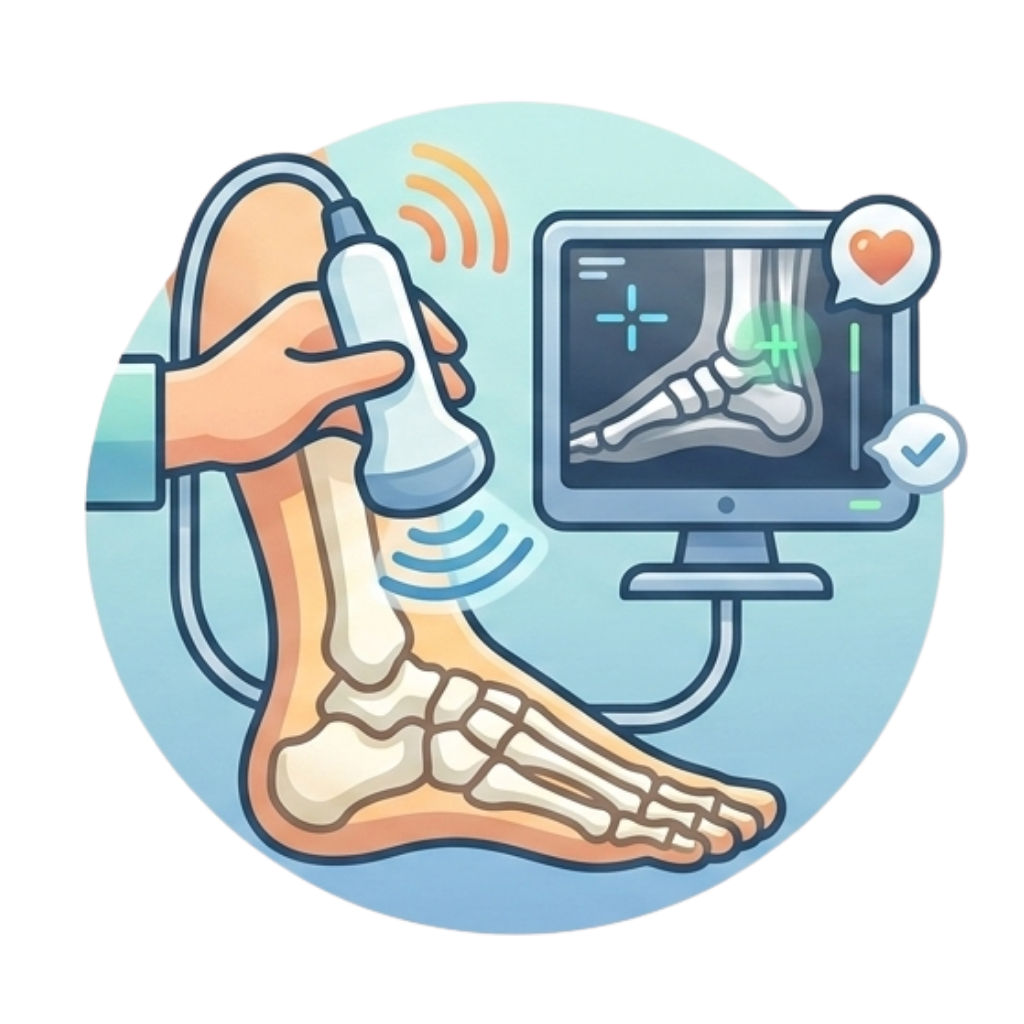
Diagnostic Ultrasound: Point-of-Care Ultrasound (POCUS): This allows for real-time, high-resolution imaging of your plantar fascia, Achilles tendon, and joint capsules. We can visualise chronic thickening, micro-tearing, or sub-clinical inflammation immediately during your assessment.
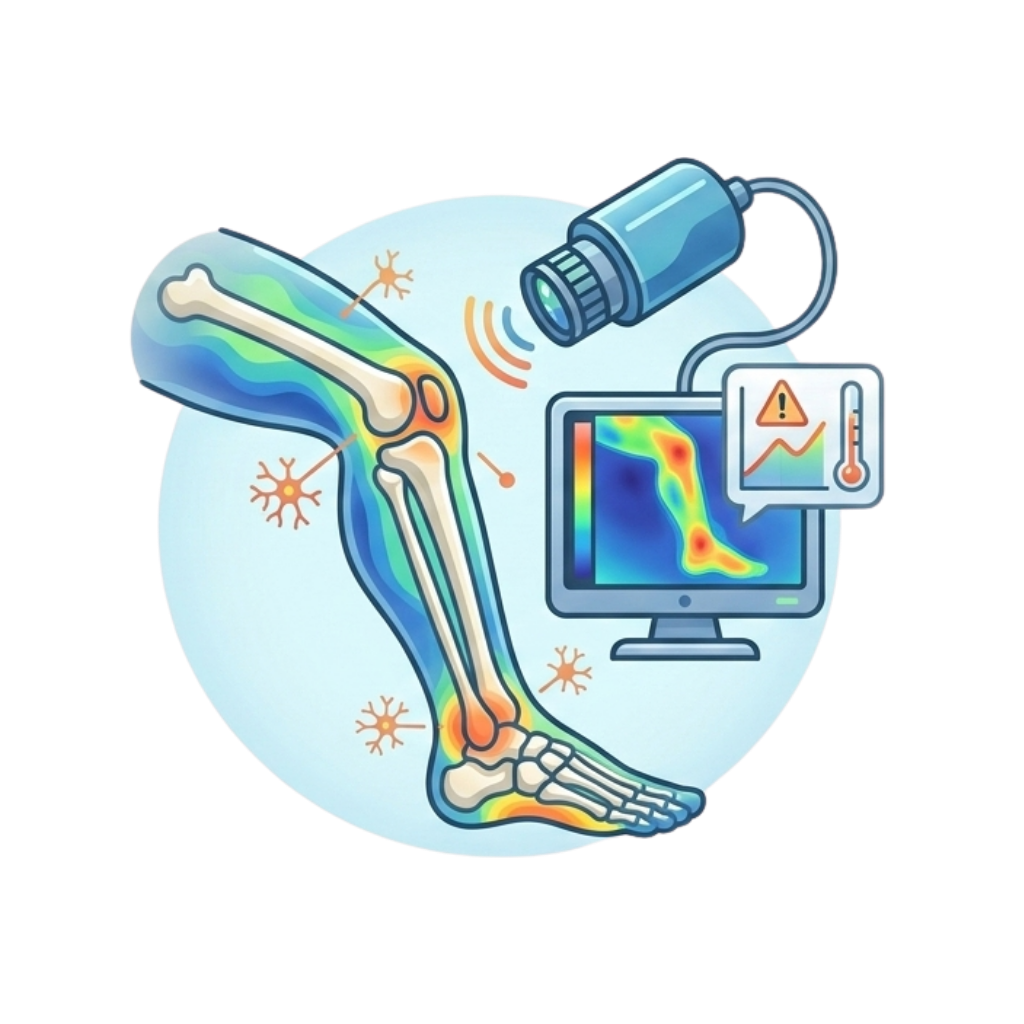
Thermal Imaging: Digital thermography maps the metabolic activity of your lower limbs. By detecting subtle temperature differentials, it acts as an early warning system—highlighting areas of neurological stress, localised joint inflammation, or high-friction pressure zones before pain ever manifests.
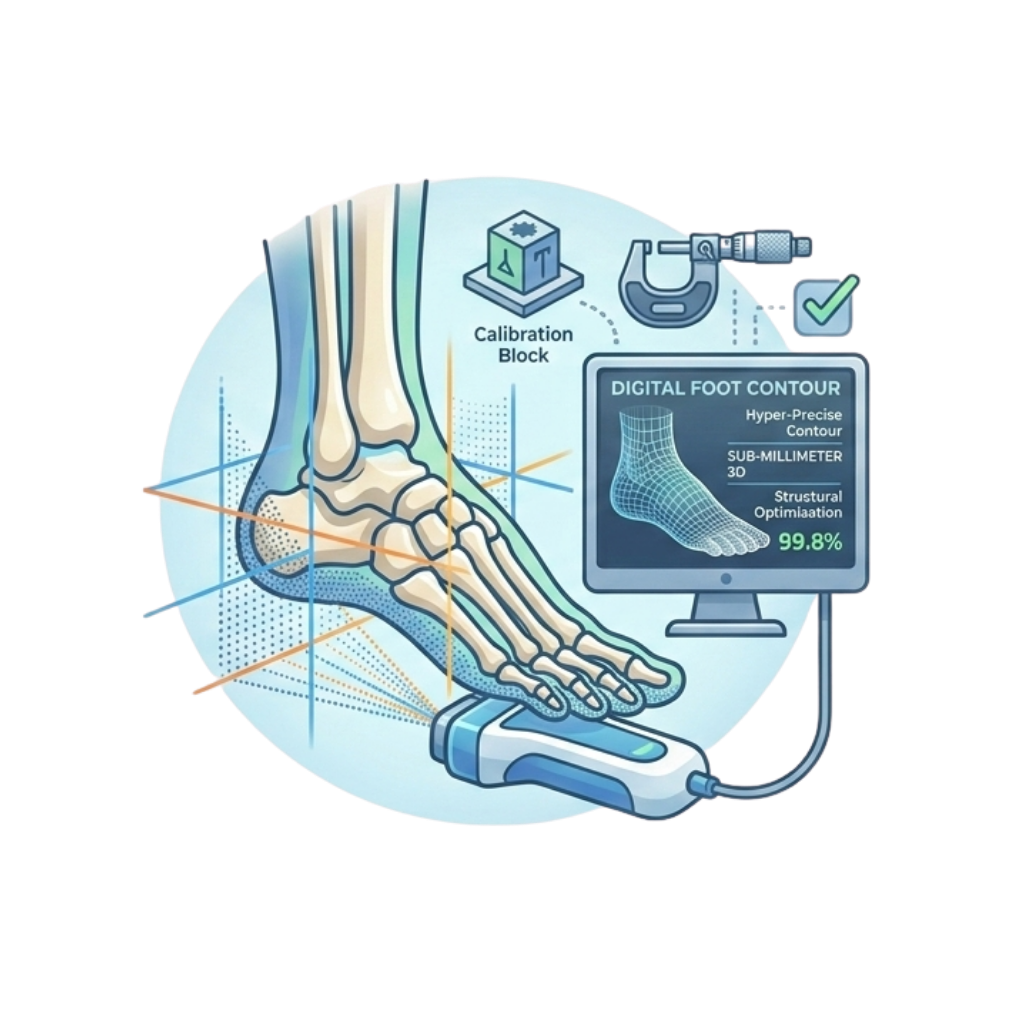
3D Laser Foot Scanner: Sub-Millimeter 3D Laser Scanning: When orthotic intervention is required for structural optimisation, we don't use messy, inaccurate plaster molds. Our 3D laser scanner captures a hyper-precise digital contour of your foot in its ideal non-weight-bearing position for flawless orthotic engineering.
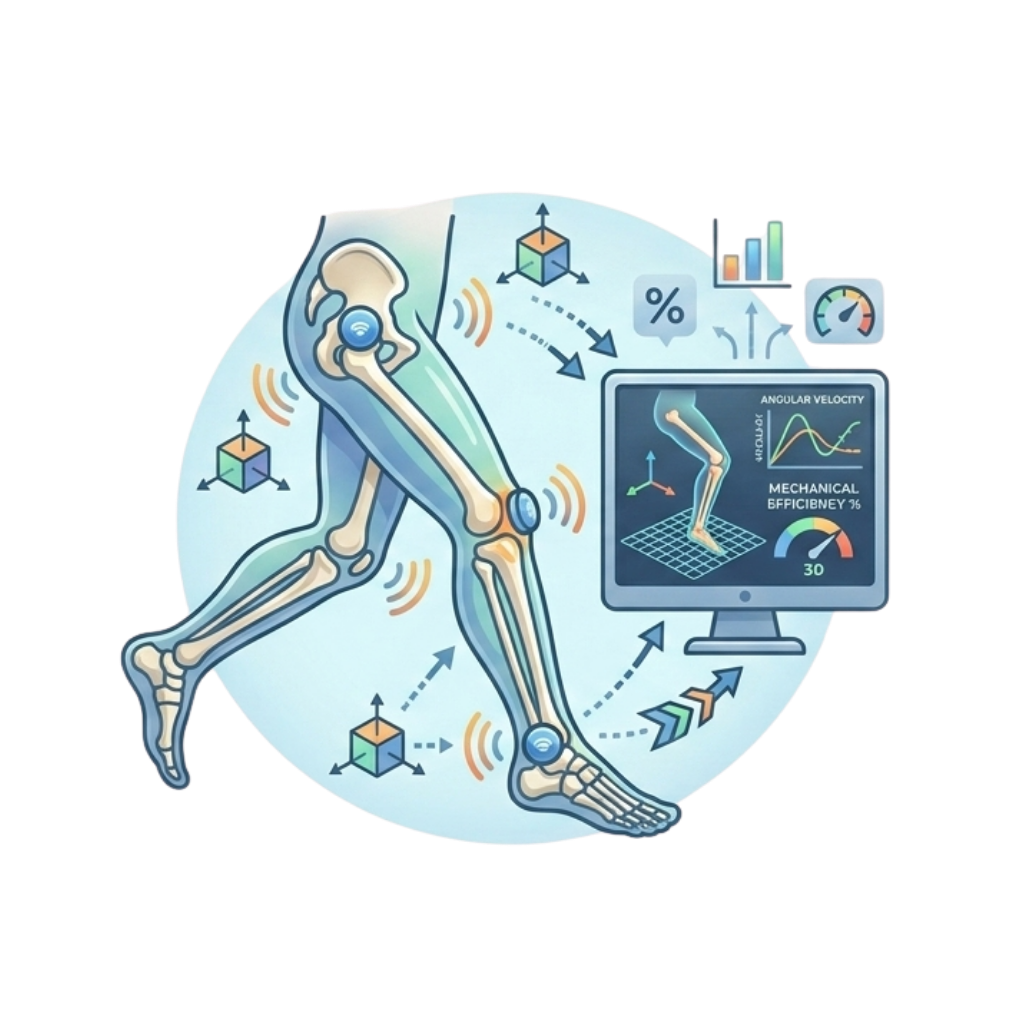
Motion Sensor 3D: Inertial measurement sensors are placed at key anatomical landmarks. By measuring the precise angular velocities of your hips, knees, and ankles mid-stride, we capture your true mechanical efficiency under active load.
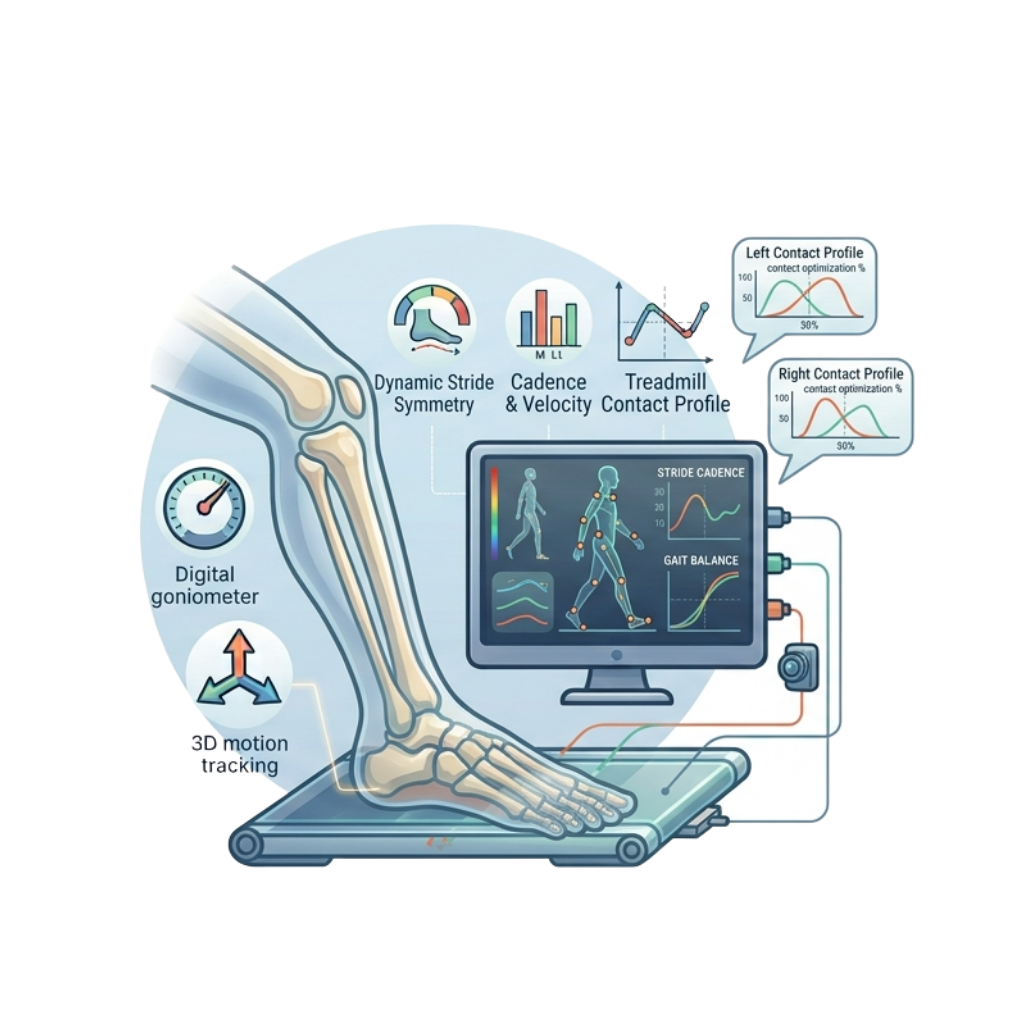
Treadmill: During the assessment, you will walk or run naturally at a comfortable pace on the treadmill. Specialised software analyses your movement from the back and sides to capture your exact gait.
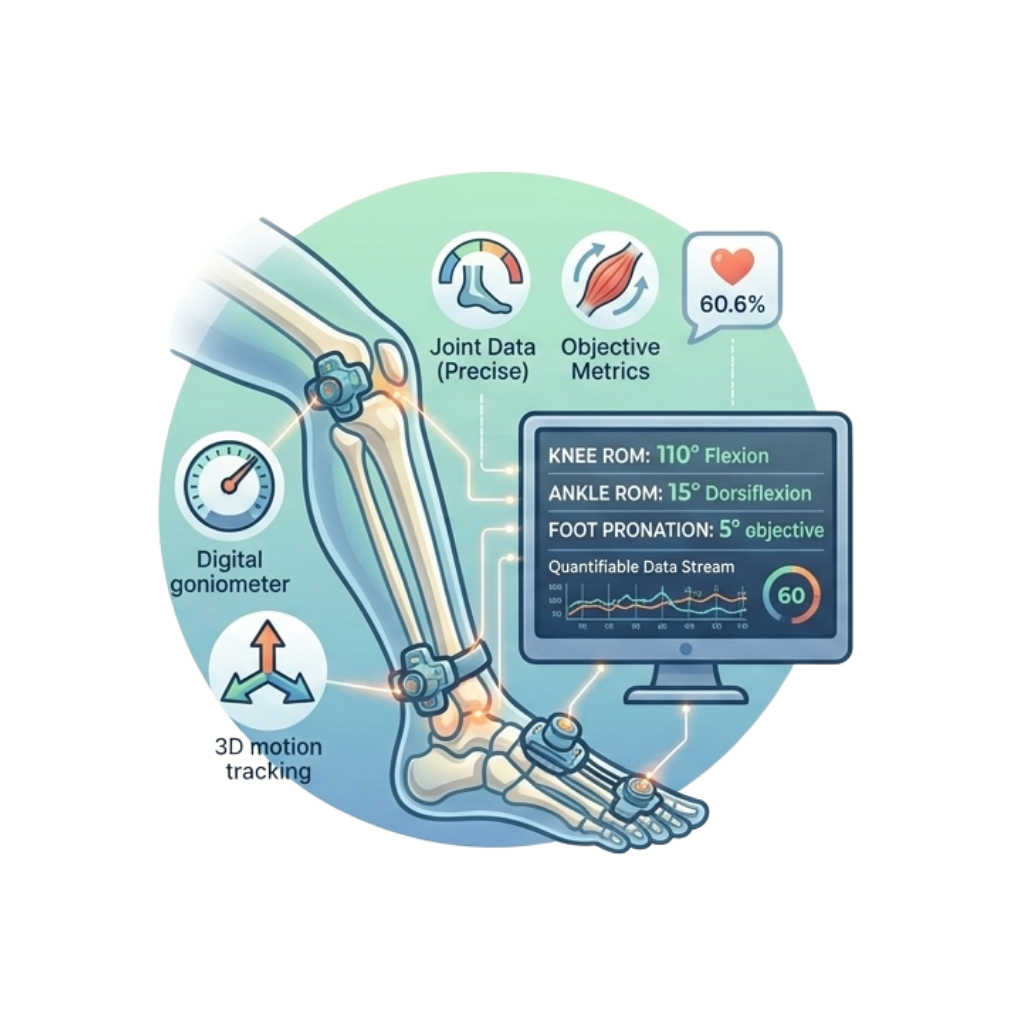
ROM Sensor: Advanced ROM Sensor technology tracks foot, ankle, and knee mechanics, translating physical movement into precise, objective, and quantifiable joint data.
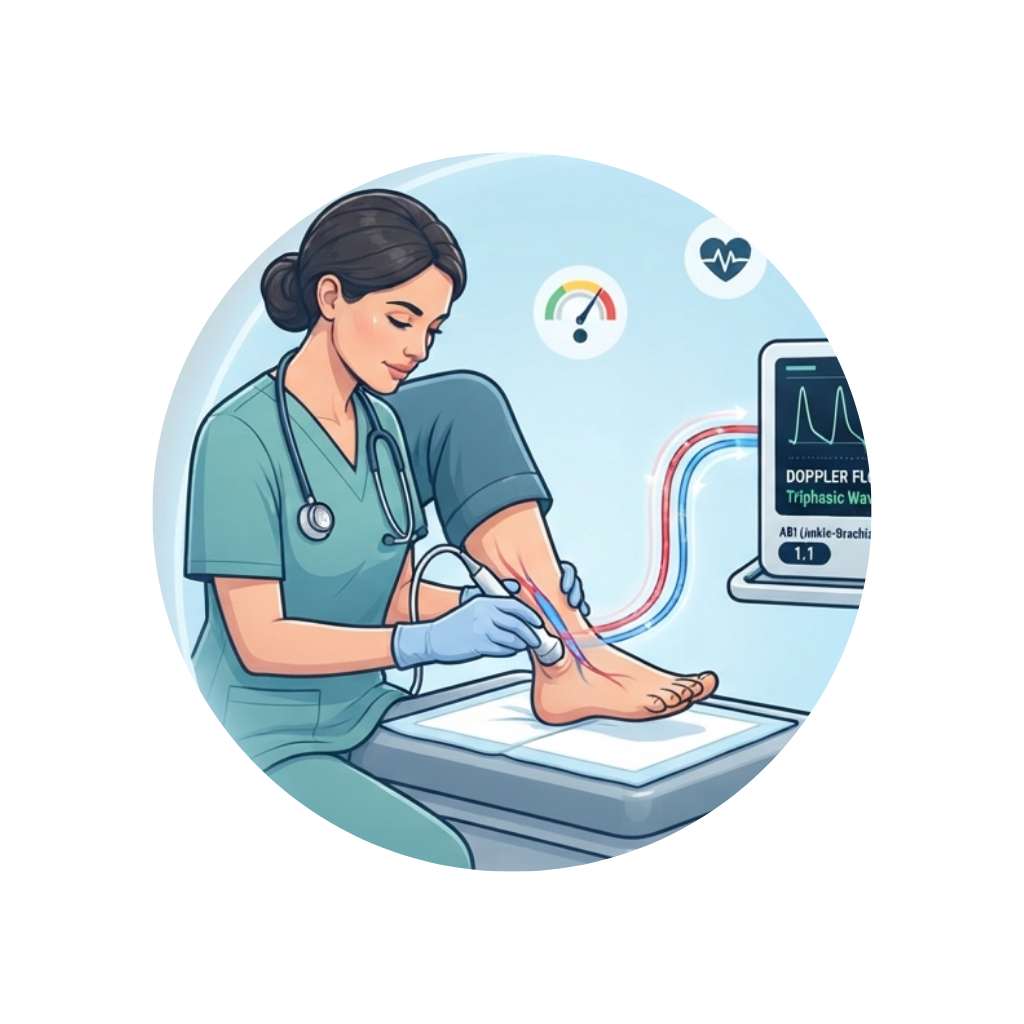
Vascular Doppler: Focused ultrasound frequencies are utilised to evaluate peripheral arterial patency (how open and clear the blood vessels are). By analysing the wave profiles of foot pulses, clinicians can ensure that muscles receive the optimal oxygenated blood supply required for performance and recovery.
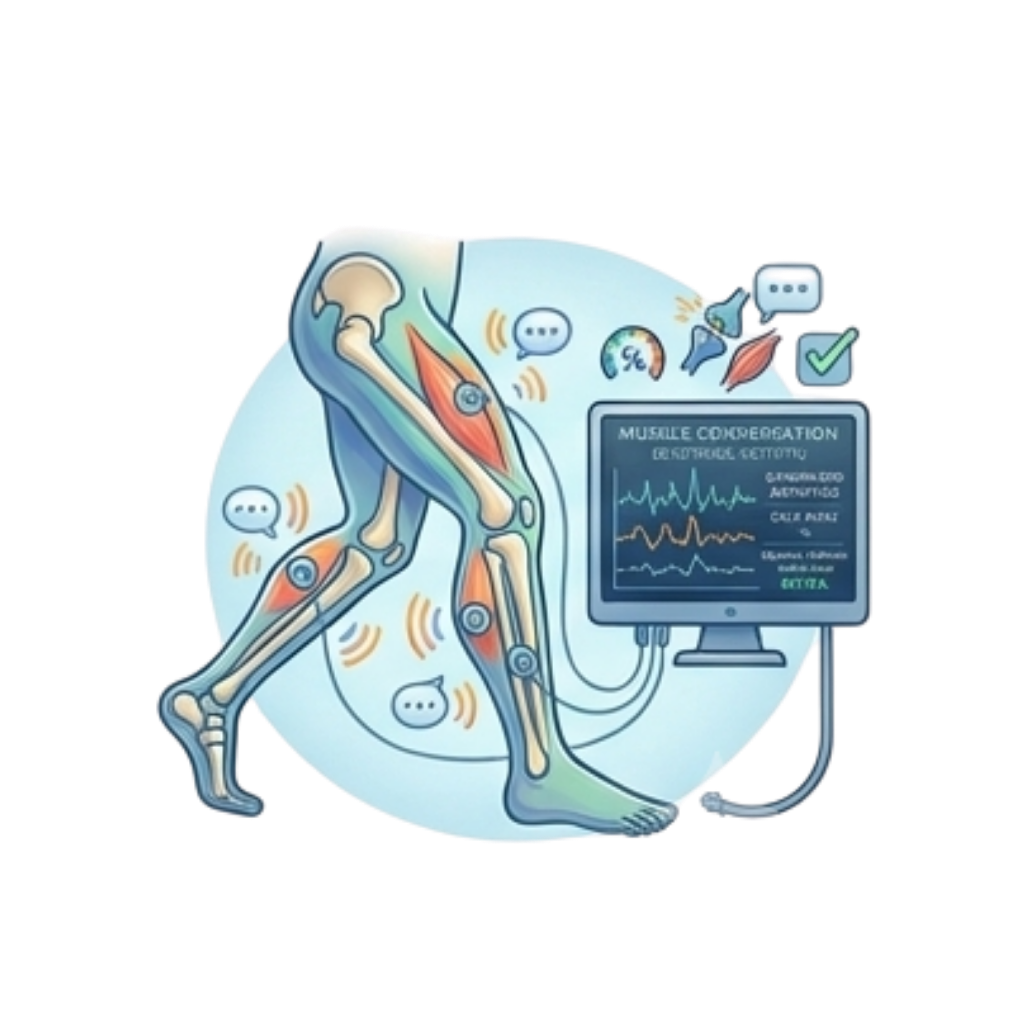
sEMG: Surface Electromyography a diagnostic tool that measures the electrical activity of muscles generate when they contract and relax; specialised sensors placed on the surface of the skin (similar to small stickers). These sensors act as sensitive indicators that capture the "conversations" between the nervous system and the lower limb muscles.
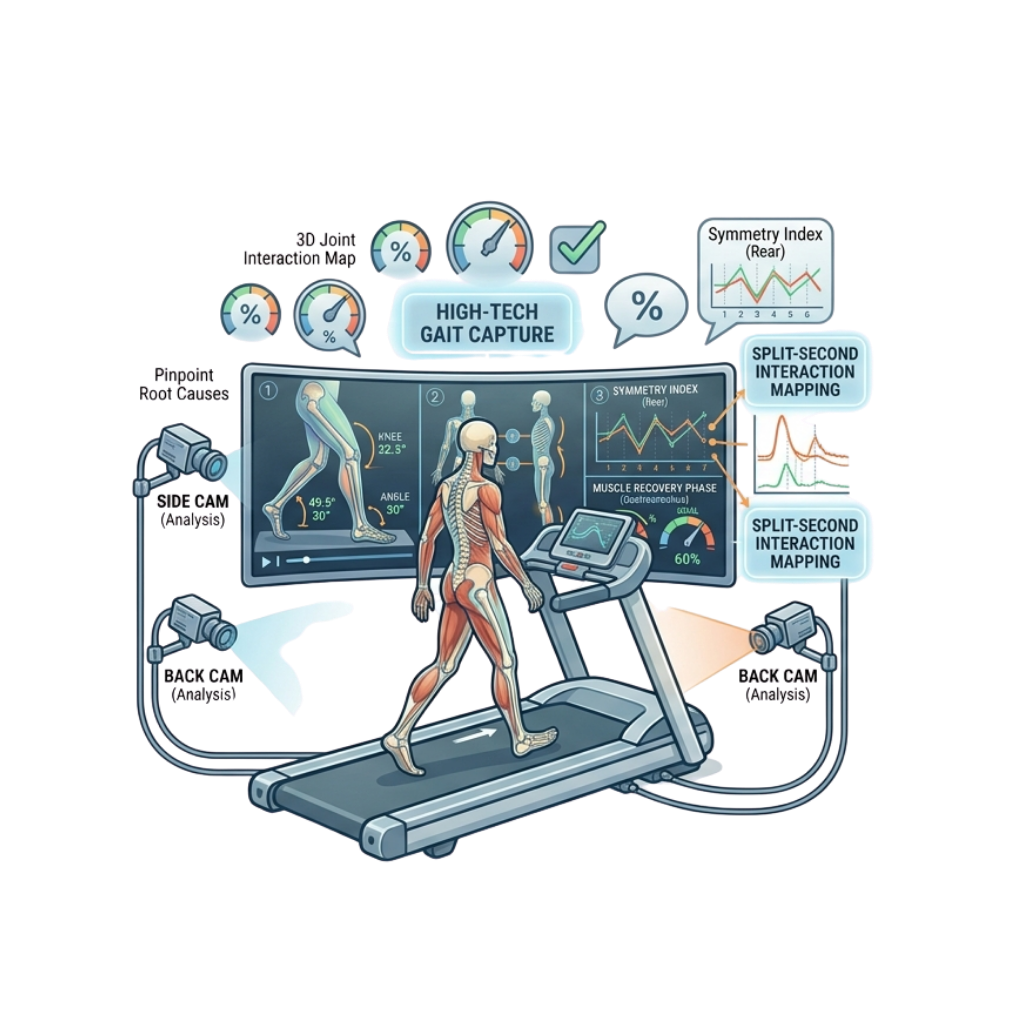
Video Gait Analysis: High-tech look at how you move.By recording you on a treadmill, specialised software catches split-second movements the human eye misses. Slowing down the footage reveals exactly how your joints and muscles interact, pinpointing the root cause of your foot, knee, or back pain.
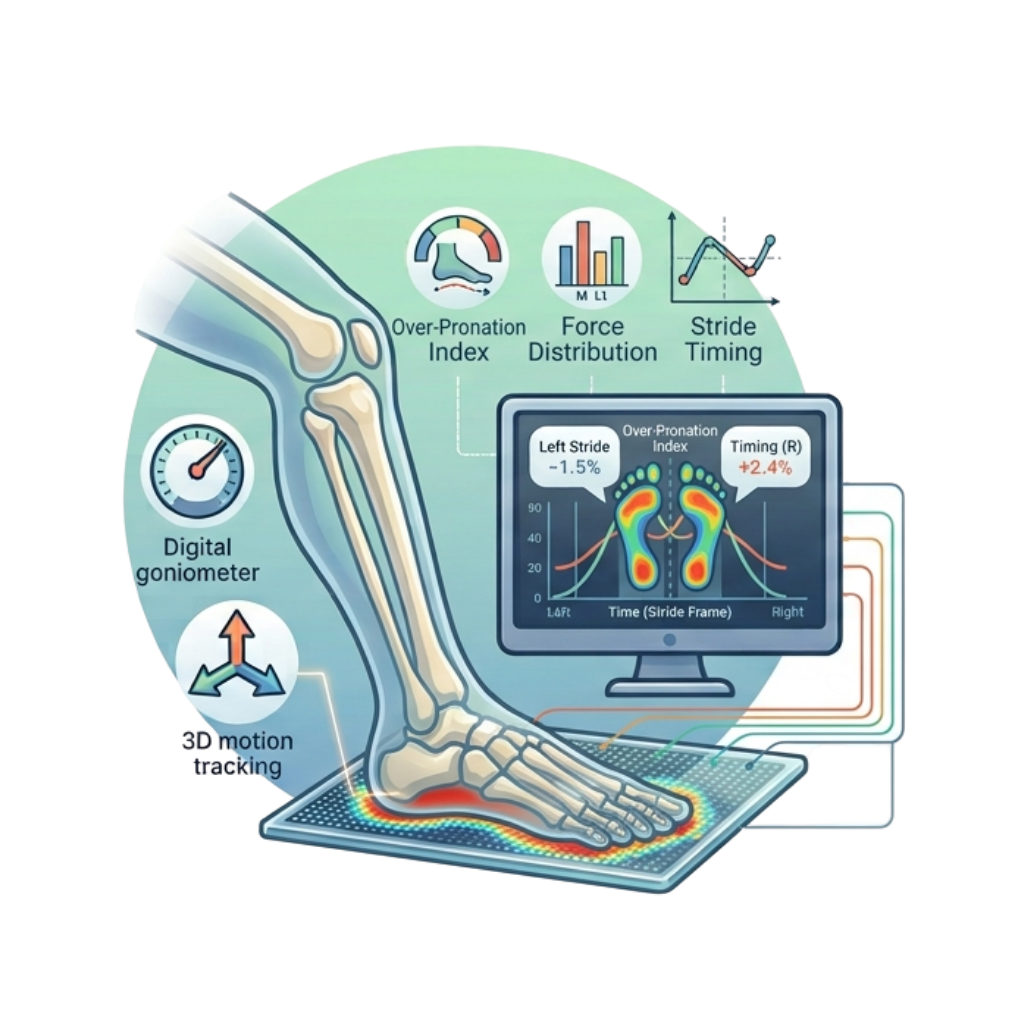
Gaitscan: Dynamic Pressure Matrix: As you walk across thousands of high-speed sensors, this system maps your foot’s exact force distribution frame-by-frame. It instantly exposes asymptomatic over-pronation (arch collapse), asymmetric loading, and hidden timing imbalances between your left and right stride.
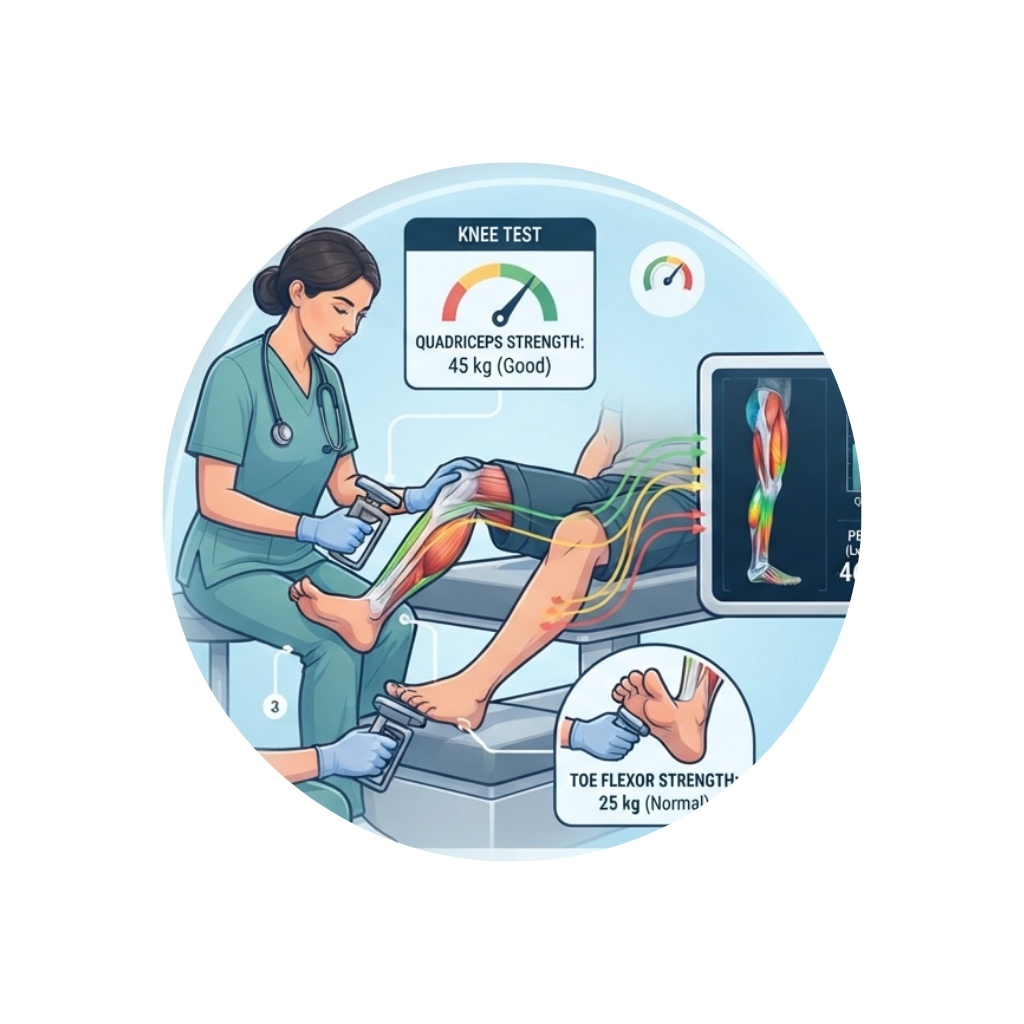
Muscle Meter Tester: Digital handheld device to precisely measure the strength, endurance, and power of specific muscles or muscle groups.